A Community Message That Can Wait: Don't Text and Drive
Summer brings road trips, events, construction zones, and more families traveling at different hours. It is a good time for a simple community reminder: the message can wait.
The risk is not abstract. Longer drives, unfamiliar routes, heavier traffic, and more pedestrians and cyclists all raise the cost of a two-second glance at a screen. A reminder that lands in late spring, before the busiest travel weeks, can sit in a driver's mind for the whole season.
Build safe habits before the engine starts
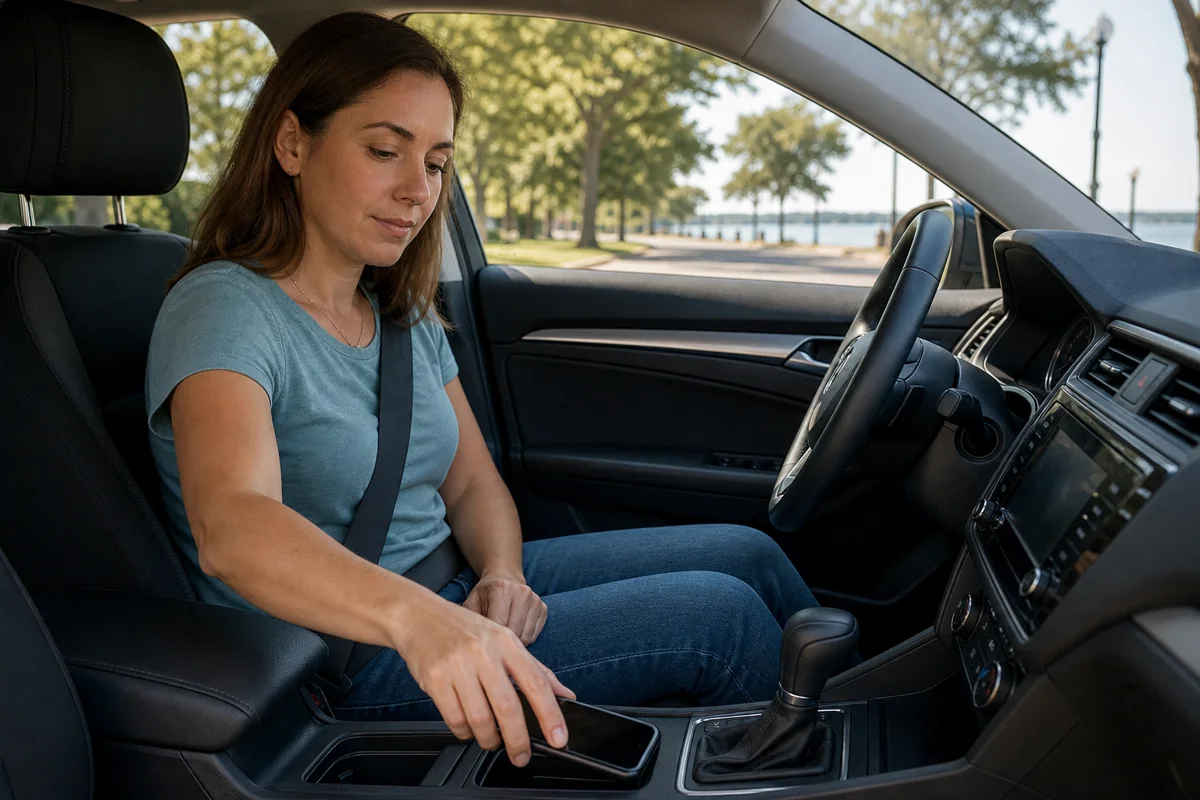
Before driving, set the destination, choose the audio, silence unnecessary notifications, and place the phone out of reach. If something requires attention, pull over safely before responding. Passengers can help with directions and communication so the driver can focus on the road.
Most of these steps take less than a minute, but they have to happen before the car is moving. Once the phone buzzes mid-drive, willpower is already too late. A simple pre-drive routine — destination set, playlist chosen, phone in the back seat or glovebox — removes the decision entirely.
Keep the message calm and direct
Businesses can reinforce this habit without turning it into a promotion. A short community service announcement, employee reminder, waiting-room message, or social post can keep the idea visible. The most effective language is calm and direct, not graphic or sensational.
Sensational messaging can backfire. Graphic descriptions of crashes may grab attention in the moment but rarely change behavior over time, and they can feel out of place coming from a business. A clear, simple sentence — stated plainly and repeated often — tends to do more work than a shocking image.
Why repetition matters
Consistency matters because safe behavior is built through repetition. One clear sentence heard at the right moment may be enough to influence a decision behind the wheel.
A community message works the same way a brand message does: it earns a place in memory through frequency. A single PSA heard once is easy to forget; the same line heard across several weeks, in different contexts, becomes the voice a driver hears when the phone lights up.
Help employees model the behavior
What a business says publicly should match what it expects internally. Delivery drivers, service technicians, and anyone who drives on company business should hear the same message and have the same expectations. A written guideline, a quick mention in team meetings, and a no-texting-while-driving norm for work vehicles turns the public message into something the organization actually lives.
A small message with a long reach
A short, well-placed reminder can reach drivers, passengers, and the families riding with them. It does not need to be elaborate or expensive — it needs to be clear, calm, and consistent. Carried through the summer across radio, social, and in-store touchpoints, the message can sit quietly in the back of a driver's mind for the moments when it matters most.
Useful ways to share the message
The reminder can appear in places a driver or passenger already encounters the business:
- A short tag at the end of a radio spot
- A printed sign in a waiting room, lobby, or pickup area
- A line on a receipt, bag, or takeout insert
- A brief, calm social post at the start of a travel weekend
- A note in a customer email or newsletter during peak travel months
None of these needs to be the focus of the message — they just need to be present. The goal is quiet repetition in the places where attention is already available.
Pair the message with concrete habits
A reminder lands harder when it is paired with a specific action. Instead of only saying "don't text and drive," offer the next step: "Set your playlist before you put the car in gear." "Drop your phone in the glovebox." "Let your passenger read the directions." Giving the audience a small, doable behavior makes the message easier to follow in the moment.
The same principle applies to anything that pulls attention from the road: eating, reaching for an object, or adjusting navigation mid-trip. The simpler the suggested habit, the more likely it is to stick.
Make the message part of the summer routine
Because summer travel comes back every year, a distracted-driving message can become a recurring part of the business's seasonal rhythm. Run it ahead of Memorial Day, the Fourth of July, and the back-to-school rush. Update a detail or two each year, but keep the core line the same. Over time, the message becomes something the community expects from the business — and something drivers remember at the moment it counts.
No notification, call, or reply is more important than arriving safely.
Keep reading

June Is PTSD Awareness Month — How Local Businesses Can Support Veterans
June is PTSD Awareness Month. Sponsoring a community service campaign is a meaningful way for your business to support veterans and stand out as a local leader.

Breast Cancer Awareness Month Campaigns That Put People First
Plan a thoughtful October campaign that raises awareness, supports trusted organizations, and gives your community a clear way to take part.