Use Short-Form Content to Make One Idea Easier to Remember
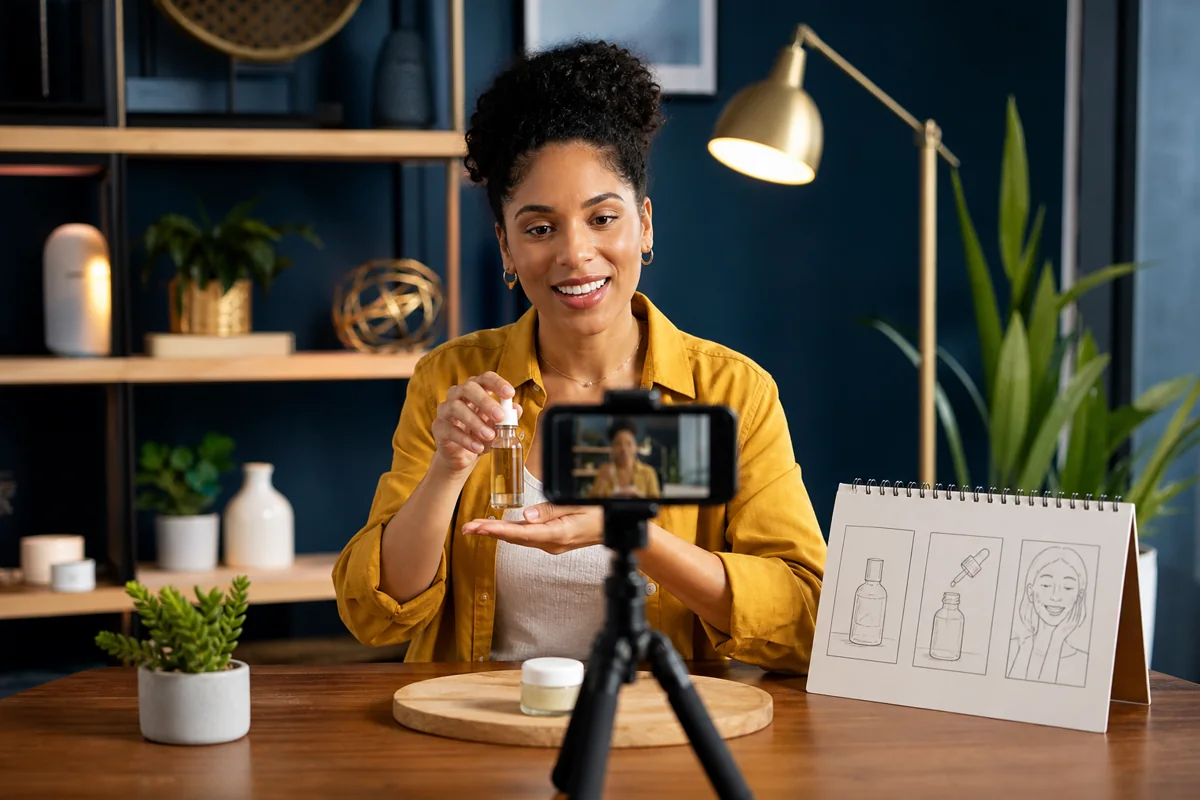
Short-form content respects a busy audience, but short should not mean empty. A useful video, graphic, or post gives the viewer one clear idea that can be understood without extra explanation.
Treat short-form as a format, not a strategy on its own. It works best when it carries a single message that fits somewhere in the larger story the business tells — answering a common question, demonstrating one step of a service, or showing a result that a customer might recognize. A library of unrelated clips will not build a brand; a library of focused clips that reinforce the same few ideas will.
Choose one job
A short piece can answer a question, demonstrate a step, correct a misconception, share a result, or introduce a person. It cannot do all five well at once.
Write the takeaway before creating the content. If it needs several "and" statements, divide it into a series.
Naming the job out loud makes editing easier. When a clip is on the cutting-room floor, the question is not whether it is interesting but whether it serves the one job you chose. Anything that does not belongs in a different piece, or nowhere at all.
Keep a running list of single-job ideas rather than waiting for inspiration. A notebook, a notes app, or a shared document works — what matters is that the list is nearby when a question or moment surfaces. Most useful short-form does not come from brainstorming sessions; it comes from noticing what customers actually ask, struggle with, or react to during the normal course of business.
Make the opening specific
Begin with the situation the audience recognizes: "Before your summer road trip, check these two items" is clearer than "Here are some helpful tips." Specific openings help the right people decide quickly that the content is relevant.
The first second does most of the work. Whether the hook is visual, spoken, or written, it should signal who the content is for and what they will get out of watching. Vague hooks attract broad attention that drops off fast; specific hooks attract the smaller audience that actually needs the information.
Design for silent and mobile viewing
Use clear framing, readable captions, strong contrast, and large visual details. Avoid placing important information near interface controls. Test the content on a phone before publishing.
Most short video is watched without sound, often in a public place. Captions are not a nice-to-have; they are the headline. Keep them short enough to read in the time they are on screen, place them where they will not be covered by platform buttons, and use high contrast against the background.
Plan the framing around the small screen, not the studio monitor. Faces and key objects should fill enough of the frame to read clearly at the size most viewers will see them. Tight shots, simple backgrounds, and a single focal point translate better than busy scenes that look fine on a desktop but blur into noise on a phone.
Finish the thought
The viewer should receive value even without clicking. A concise conclusion, checklist, or next action makes the post complete. Links can offer depth, but they should not be required to understand the basic point.
A clean ending also helps the algorithm and the audience. Videos that wrap up their point tend to be re-watched and shared, while those that trail off or cut abruptly often lose viewers before the message lands. A deliberate close — a single sentence, a short recap, a clear next step — turns a clip into a complete piece of content.
Build around a few repeatable formats
Short-form is easier to sustain when the formats are repeatable. Instead of inventing a new concept each week, develop three to five templates the team can fill in: a weekly tip, a common question answered, a quick before-and-after, a behind-the-scenes moment, or a one-line customer quote with context.
Repeatable formats reduce creative friction. They also train the audience to expect something specific, which makes them more likely to stop scrolling when your content appears. Familiarity with the format becomes a quiet advantage over time.
Repurpose without repeating the same way
One strong idea can become several pieces when adapted for different formats and audiences. A short video script can become a written tip, an image with a caption, a paragraph in a newsletter, or a one-line update on a listing. The idea stays the same; the shape changes to fit where it appears.
Repurposing is not duplication. The goal is to let the same message reach people who prefer different formats or who missed it the first time, without forcing them to consume the same presentation twice.
Post consistently rather than constantly
Volume matters less than rhythm. One short piece every week, published on a predictable cadence, will usually build more audience than a burst of ten pieces followed by a month of silence. Consistency gives the audience something to expect and gives the team a sustainable pace.
Choose a cadence that the business can actually maintain, even during busy stretches. A modest schedule that holds for a year beats an ambitious one that lasts three weeks.
Batch when you can. Filming or designing several pieces in one session and scheduling them out protects the cadence during weeks when there is no time to create. Production is the most expensive part of short-form; spreading that cost across multiple posts makes the format sustainable for a small team.
Measure attention, not just views
A high view count tells you that the platform surfaced the content. It does not tell you whether anyone absorbed the idea. Look instead at how long people watch, whether they revisit or share, and whether the comments reflect the takeaway you intended.
A short piece with a modest view count but clear, on-message comments is doing its job better than a viral clip that no one remembers the next day. Measure what indicates understanding, not just exposure.
Tie short-form back to a business signal where possible. A spike in calls, searches, or questions about the topic you covered is a stronger sign than a like count. Even anecdotal evidence — a customer mentioning the video when they call — tells you the content reached someone who needed it.
Keep the idea front and center
Short-form content is effective because it reduces friction. Keep the idea focused, the presentation clear, and the takeaway worth the audience's time. When the format serves the idea — and not the other way around — short content can do work that long content cannot.
Keep reading

Marketing Tip: Give Your New Business a Strong Start With Google Business Profile
A complete Google Business Profile can help a new business appear clearly on Google Search and Maps, build trust, and turn local searches into calls, visits, and inquiries.

What Is the 3-3-3 Rule in Marketing?
Use three seconds, three core messages, and three coordinated touchpoints to make a campaign easier to notice, understand, and remember.